Thoughts, tutorials, and insights on engineering and programming.
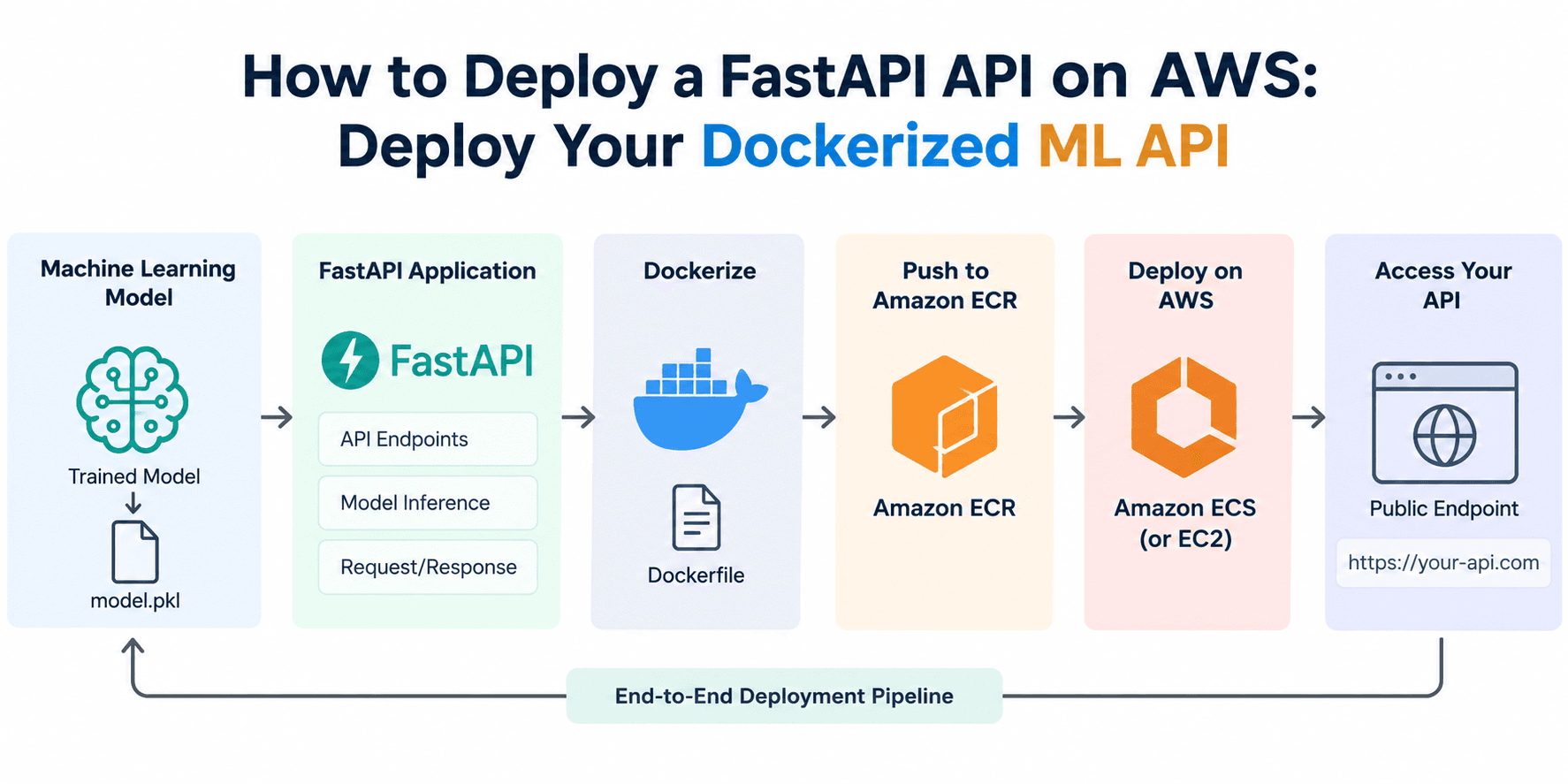
Learn how to deploy a Dockerized FastAPI machine learning API on AWS using an EC2 instance and make it accessible through the internet.
Learn how to containerize a FastAPI machine learning API, build a Docker image, push it to Docker Hub, and run it as a container.
Understand Docker, images, containers, Dockerfiles, registries, and how containerization helps deploy machine learning applications consistently.
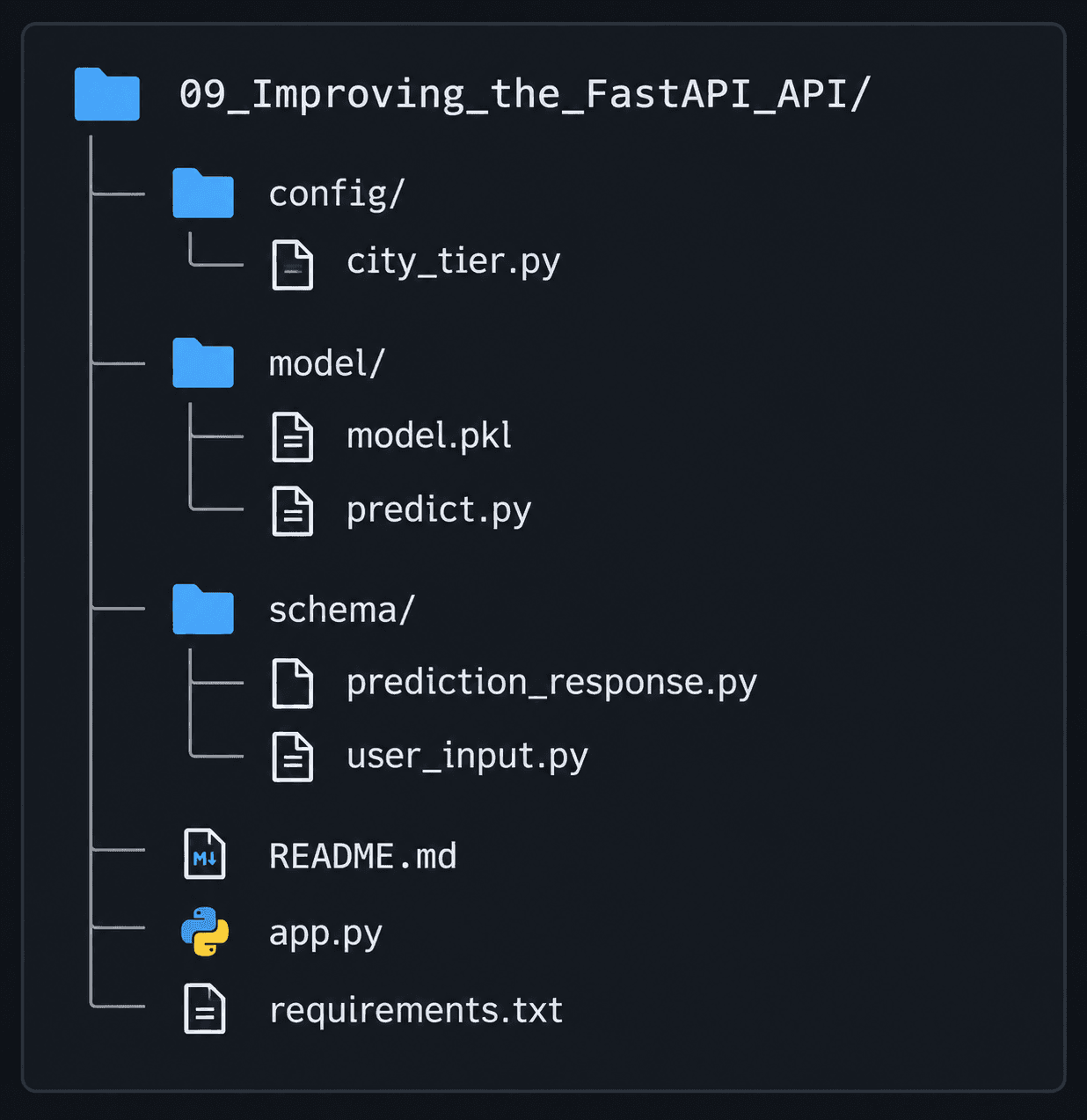
Learn how to organize a FastAPI machine learning project, separate application logic, add health checks, handle errors, return confidence scores, and use response models.
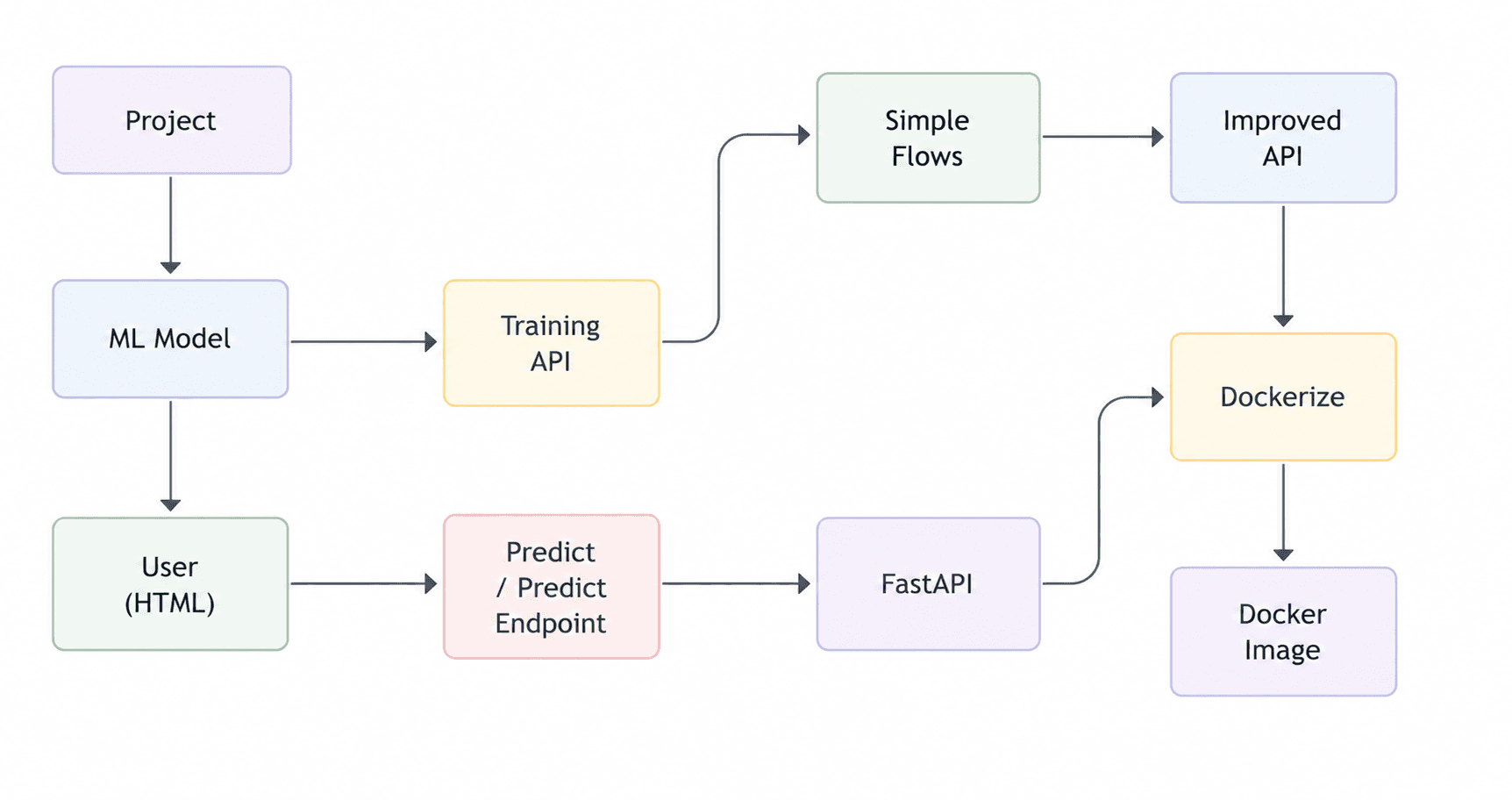
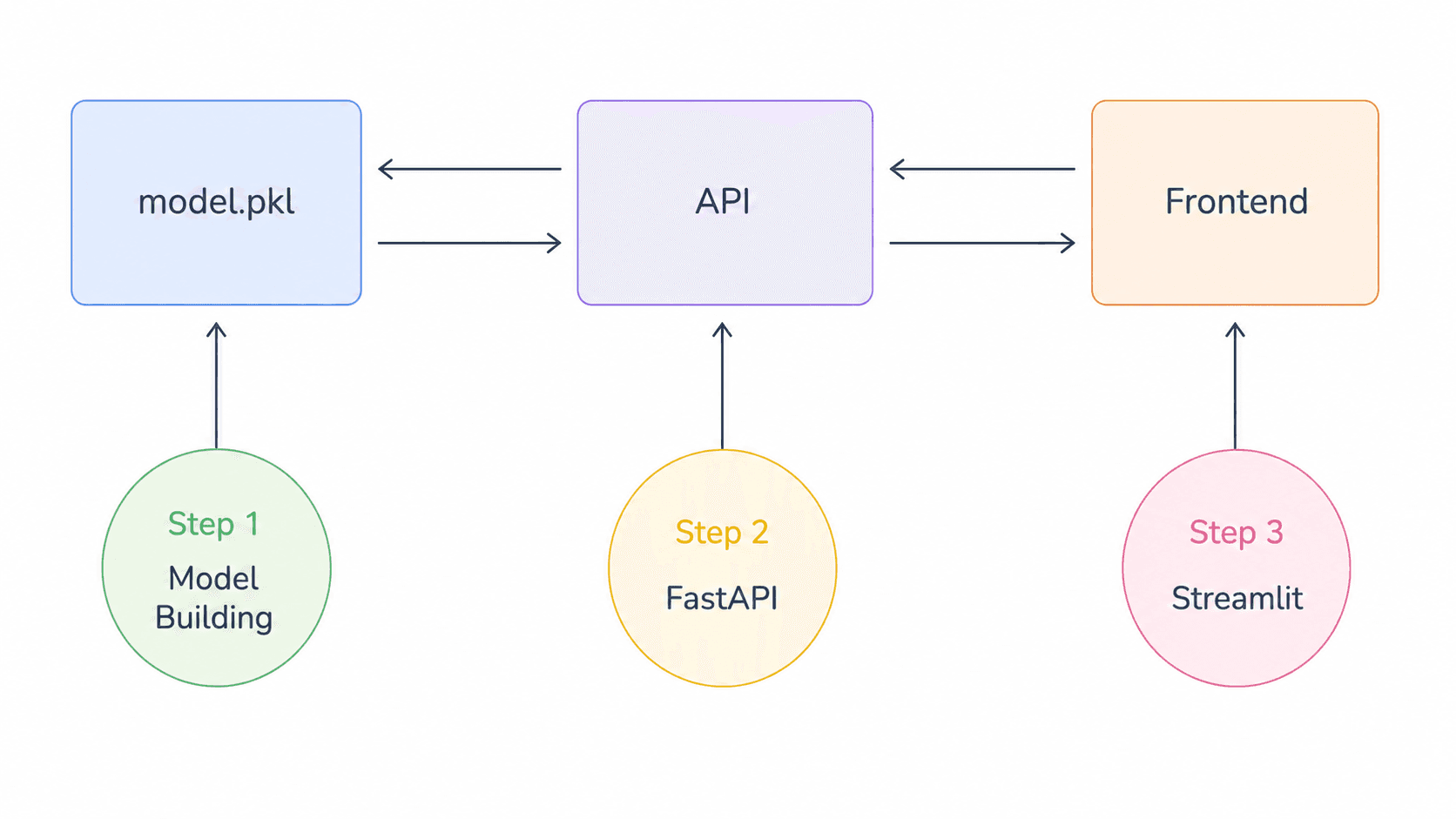
Learn how to serve a trained machine learning model with FastAPI, prepare features from user input, generate real-time predictions, and connect the API to a Streamlit frontend.
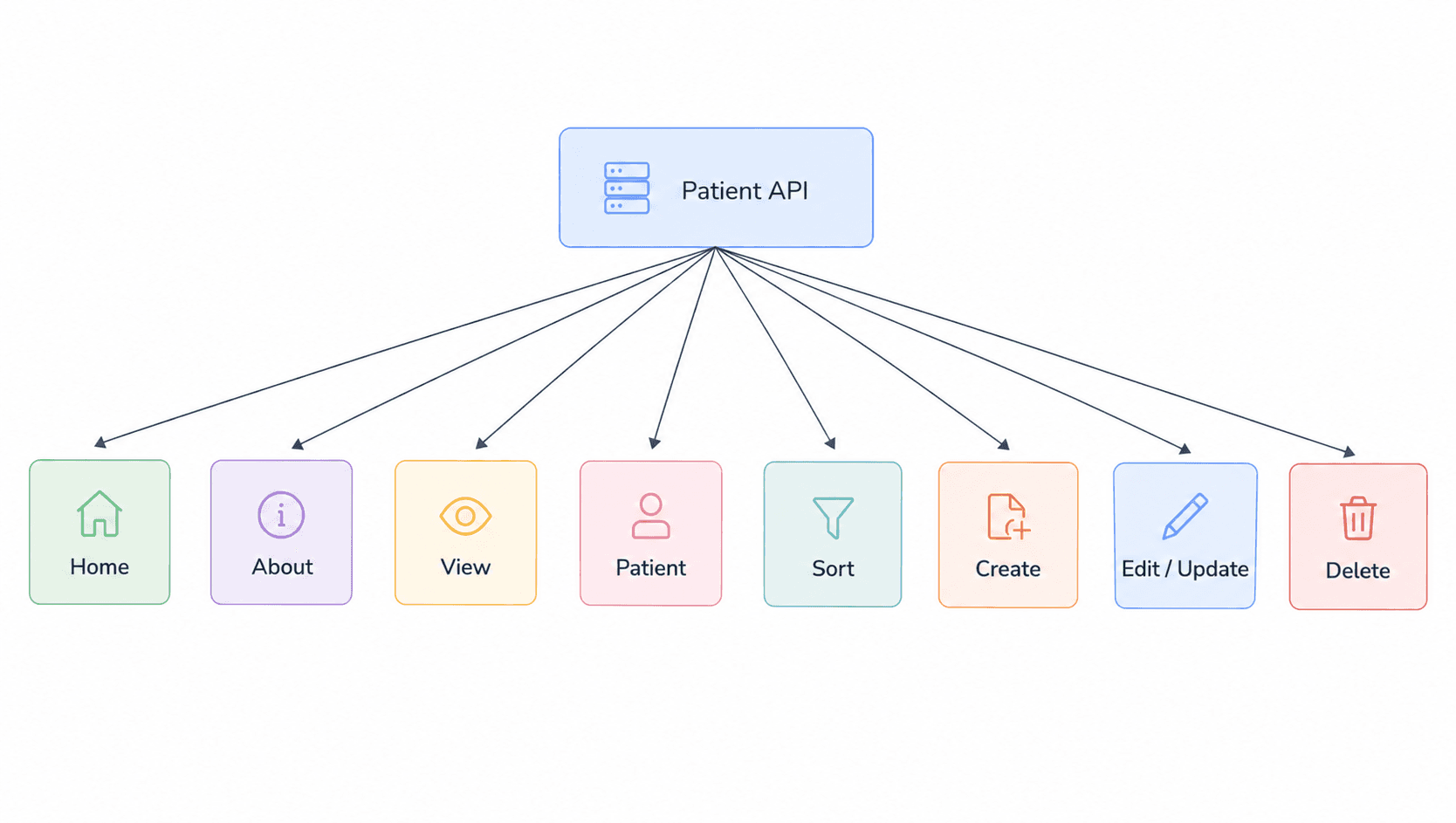
Learn how to update and delete existing resources with FastAPI and complete the CRUD operations of a Patient Management System.
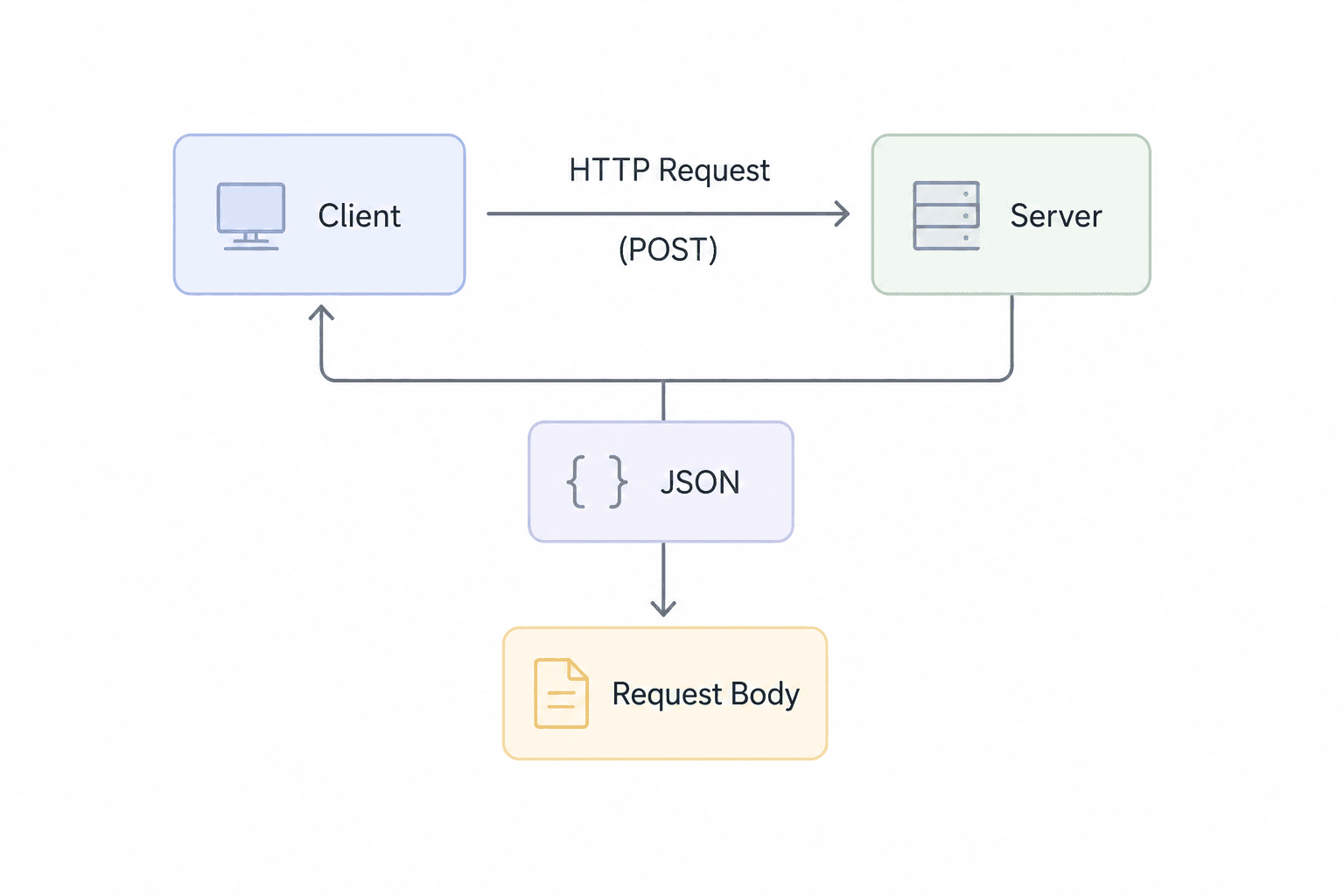
Learn how FastAPI handles request bodies, accepts structured data through POST requests, validates it with Pydantic, and creates new resources.
Learn how Pydantic creates type-safe data models, validates input automatically, and handles advanced validation, nested models, computed fields, and serialization.
Learn how to use path parameters, query parameters, HTTP status codes, and error handling to build more flexible FastAPI endpoints.
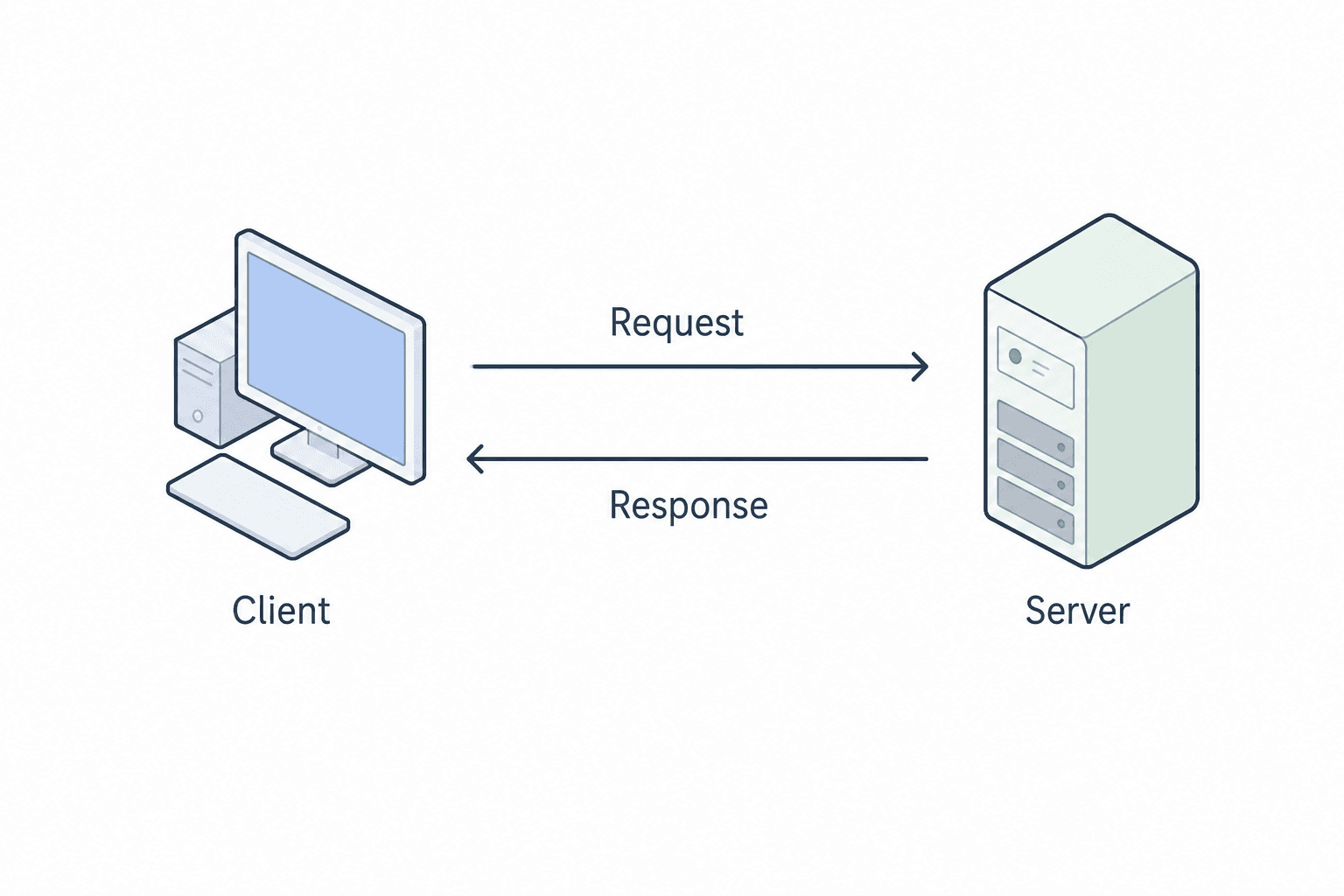
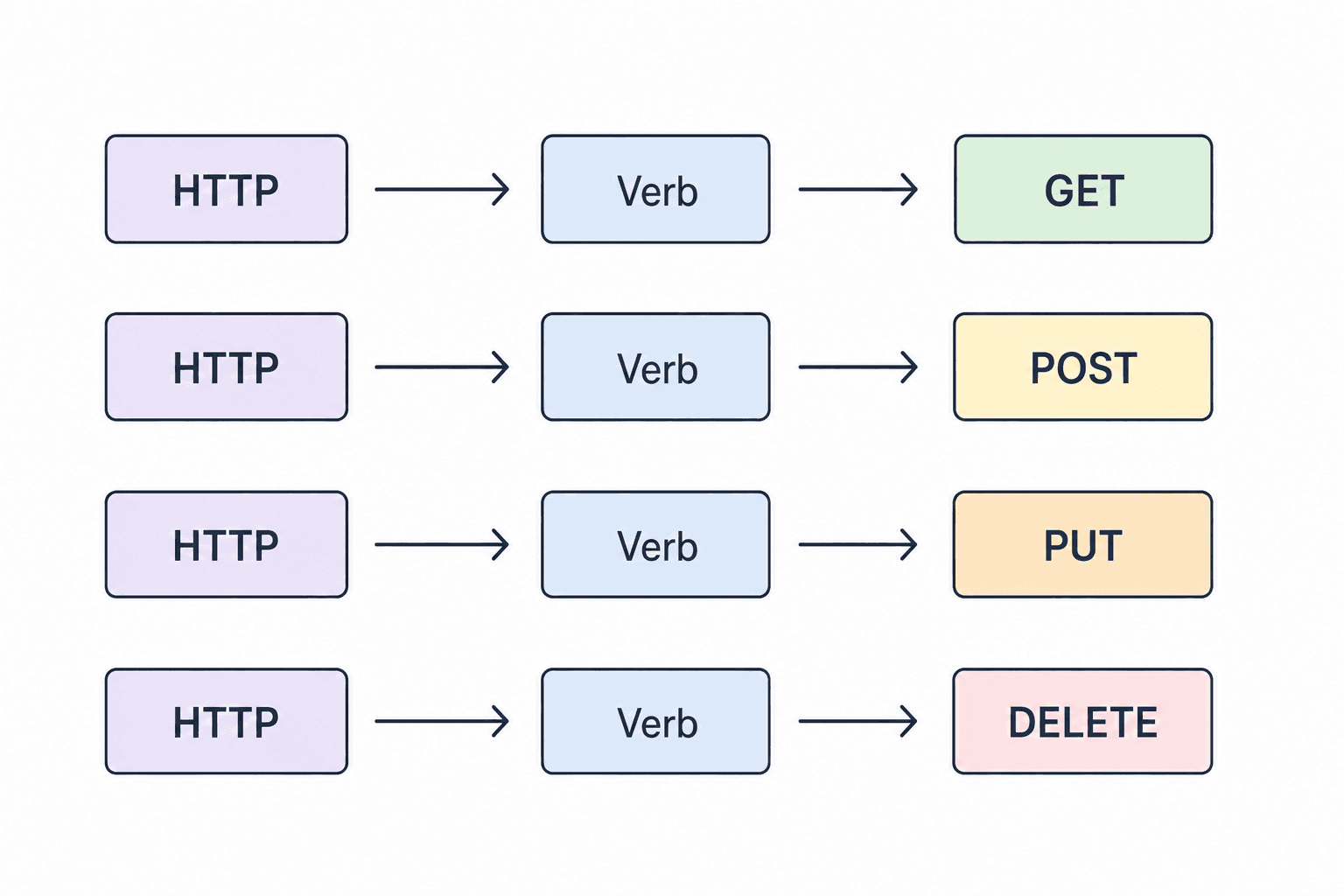
Understand how HTTP methods work, how clients communicate with servers, and how GET, POST, PUT, and DELETE map to CRUD operations in FastAPI.
Learn how FastAPI works under the hood, set up your first application, run it with Uvicorn, and explore its automatic API documentation.
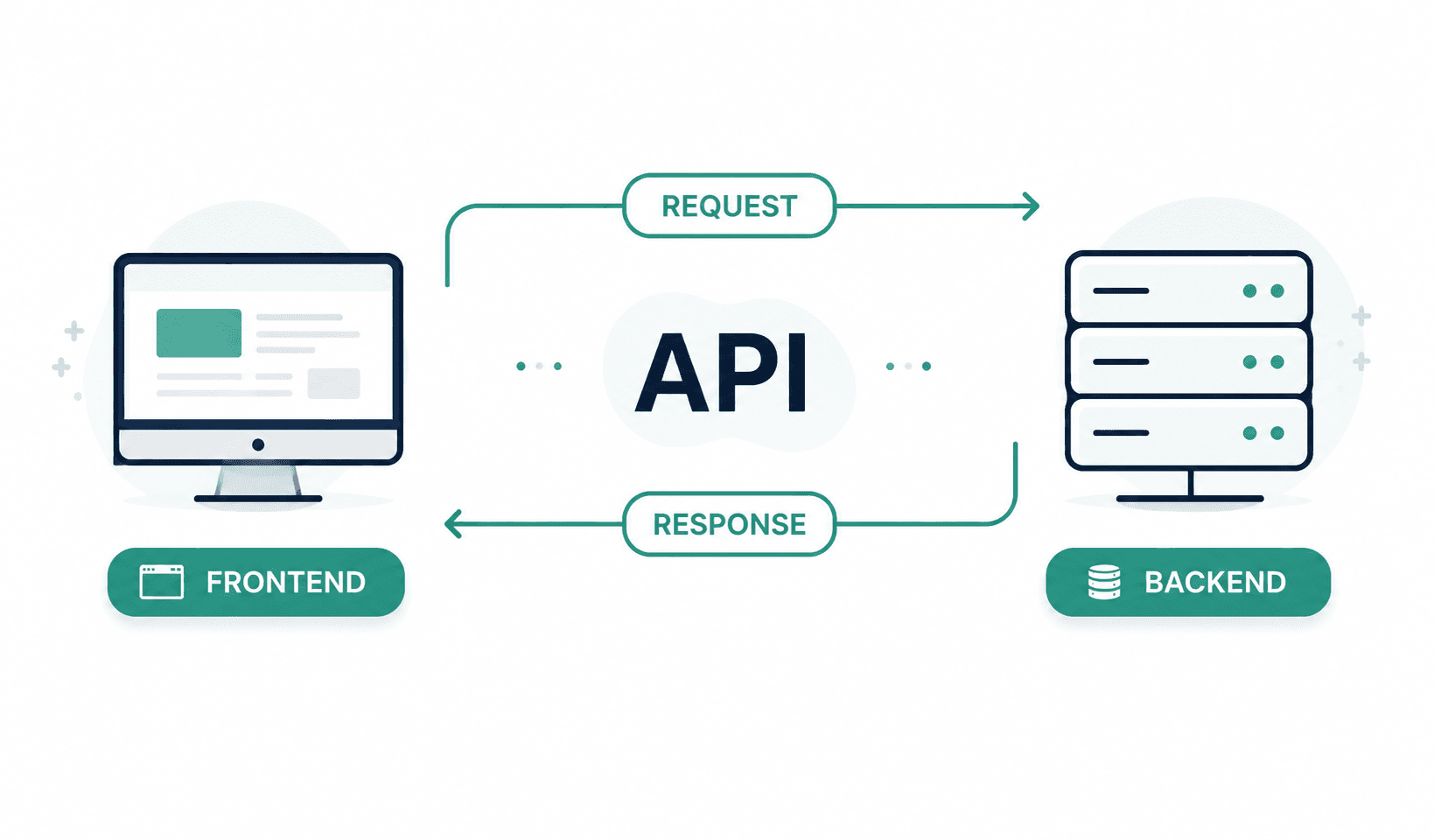
APIs are the bridge between applications, backend systems, databases, and machine learning models. Let’s understand how they work before building one with FastAPI.